

Please note, the majority of properties on the trail are now private residences,
please respect their privacy.
The Fox & Hounds
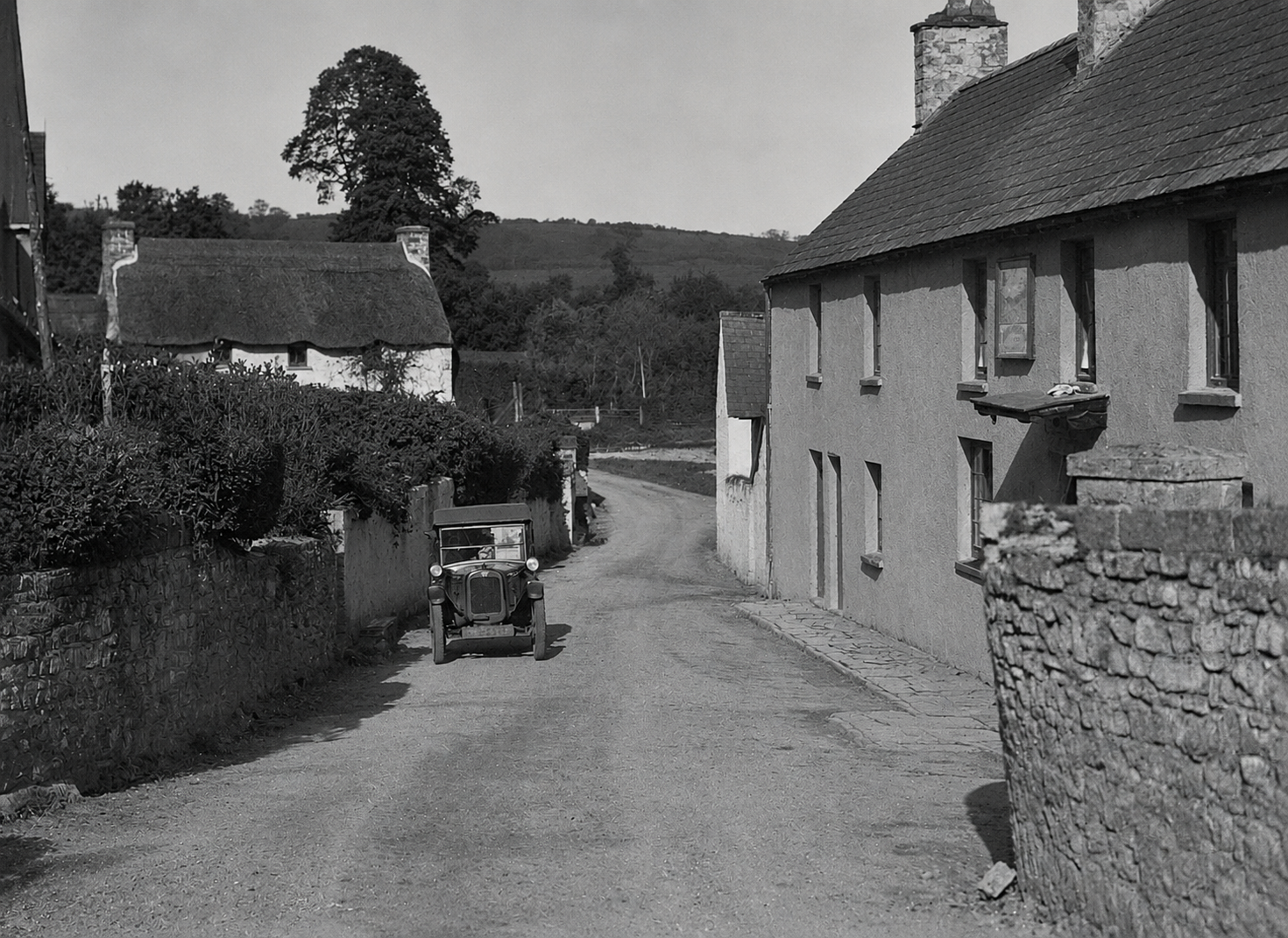
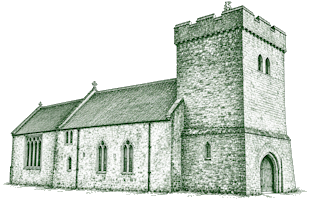
The Fox & Hounds is one of Llancarfan’s historic village inns and stands at the heart of the settlement, close to St Cadoc’s Church and the Nant Carfan stream. The building is believed to have a history stretching back to the 16th century, and for centuries the inn formed part of the social and commercial life of this rural community. Historic sources record that there were once two inns standing almost opposite one another in the village — the Fox & Hounds and the Y Ceffyl Du (Black Horse). The Black Horse eventually disappeared, leaving the Fox & Hounds as the village’s principal inn.
During the 19th century the Fox & Hounds was closely associated with the Price family. David Price, born in Llancarfan in 1810, was recorded as its landlord in the 1841 census, and by 1851 he was described as both publican and farmer. Following his death, his wife Jane Price, remembered locally as “Grandma Price”, continued to run the inn. Remarkably, she was still its publican at the age of 80 in 1891, assisted by her daughter Susannah and her husband Evan Griffiths. The Price family retained ownership of the Fox & Hounds until the 1950s.
The pub remained an important focus of village life during the 20th century and later became particularly well known for its food and hospitality. During a period of expansion, the building was altered and extended to provide additional restaurant and service areas, helping establish the Fox & Hounds as a destination beyond the immediate village. In 1999, local villagers clubbed together to buy the pub, placing it for a time in community ownership before it was eventually sold to a new owner.
Today the Fox & Hounds continues its long tradition as a village inn, offering food, drink and accommodation. Its position beside the stream and close to the ancient church makes it an important part of Llancarfan’s historic village setting. The building is included among Llancarfan’s historic buildings and remains a tangible reminder of the important role that inns once played as centres of hospitality, meeting places and communication in rural communities.